
Guided Explorer Reading
A one-to-one sitting over a single public transaction, account, or short block. You leave able to name the fee payer, the signers, and the instructions without guessing.
Read the arrangementChilbo-myeon reading room · Tuesday to Saturday

01 — The sitting
The flagship hour at Cognit Meridian is Guided Explorer Reading. You bring one public transaction, one account address, or a short block. Haeun Cho sits with you and will not fill the margin until you can name the fee payer yourself.
The room is in Chilbo-myeon, Jeongeup-si. If the bus from Jeonju is unrealistic for the day you need, the same ninety minutes can happen on a call, with the margin sheet scanned to you afterward. Either way the page is public. Seed phrases stay out of the room.
02 — Ways to read
A one-to-one sitting over a single public transaction, account, or short block. You leave able to name the fee payer, the signers, and the instructions without guessing.
Read the arrangement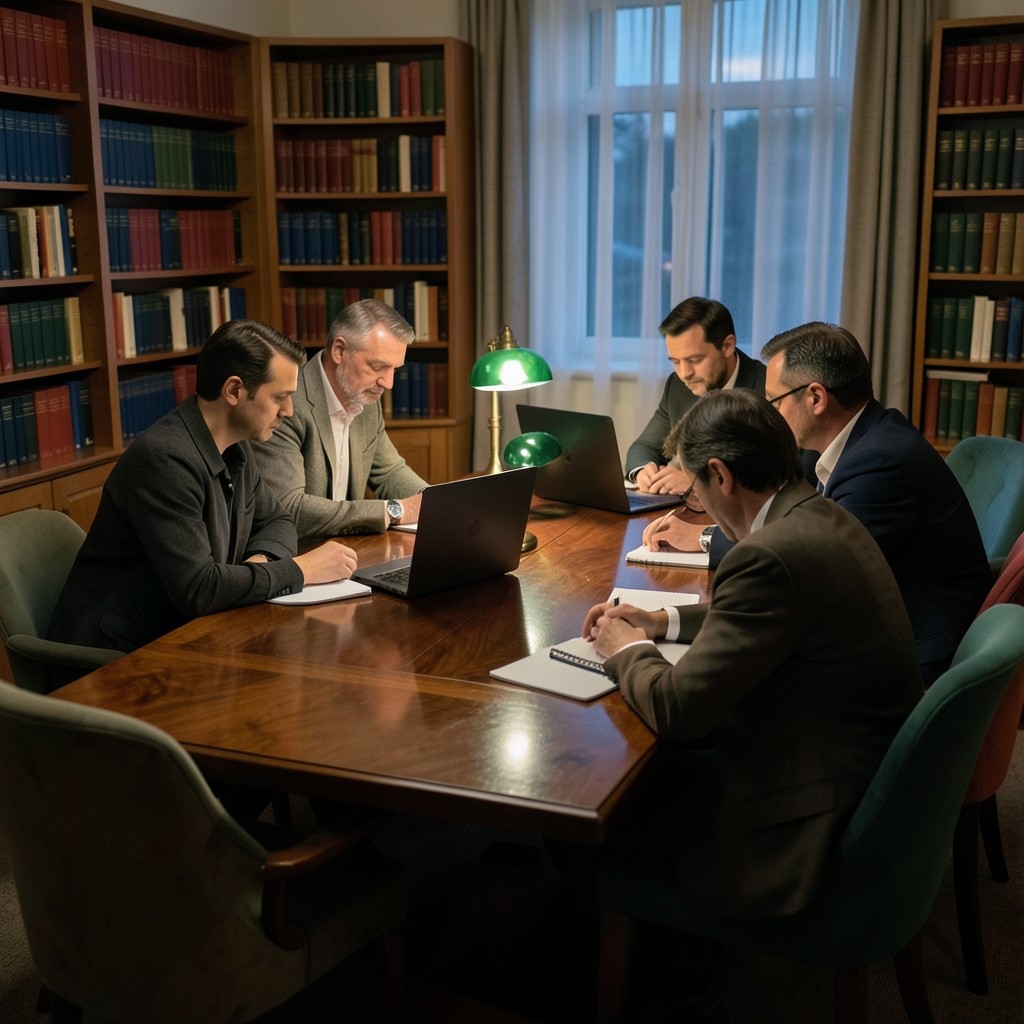
A capped table of six on Thursday evening. The desk picks three public pages around one kind of instruction, and the group reads them slowly.
Read the arrangement
You send one mainnet signature. The desk returns a written reading: a field list, plain sentences for each instruction, and the questions the page leaves open.
Read the arrangementThe room
The reading room keeps explorer pages on one screen so a visitor is not hunting tabs alone. Phones stay down for the first pass. What you should bring, and the hours the door is actually open, are written on the room page.
From the margin
Minjae Han runs a paper shop in Jeongeup. A bulk order was paid twice in the same afternoon: one attempt failed, one completed. The two signatures looked like twins at the top of the explorer. On the desk he marked the fee on both and the token change on only one.
03 — Desk notes

A slot is not always a block. Two explorers can show different commitment for the same signature until the cluster has finished its confirmations.

A red failure line does not mean the page is empty. The fee was still paid, and the logs usually name the program that returned the error.

An account page is a small record with a large vocabulary. Owner, lamports, and the executable flag tell you what kind of thing you opened before any parsed balance does.

The largest token move on the page is often someone else's. The fee payer is a smaller line, and it is the one that tells you who paid the network.